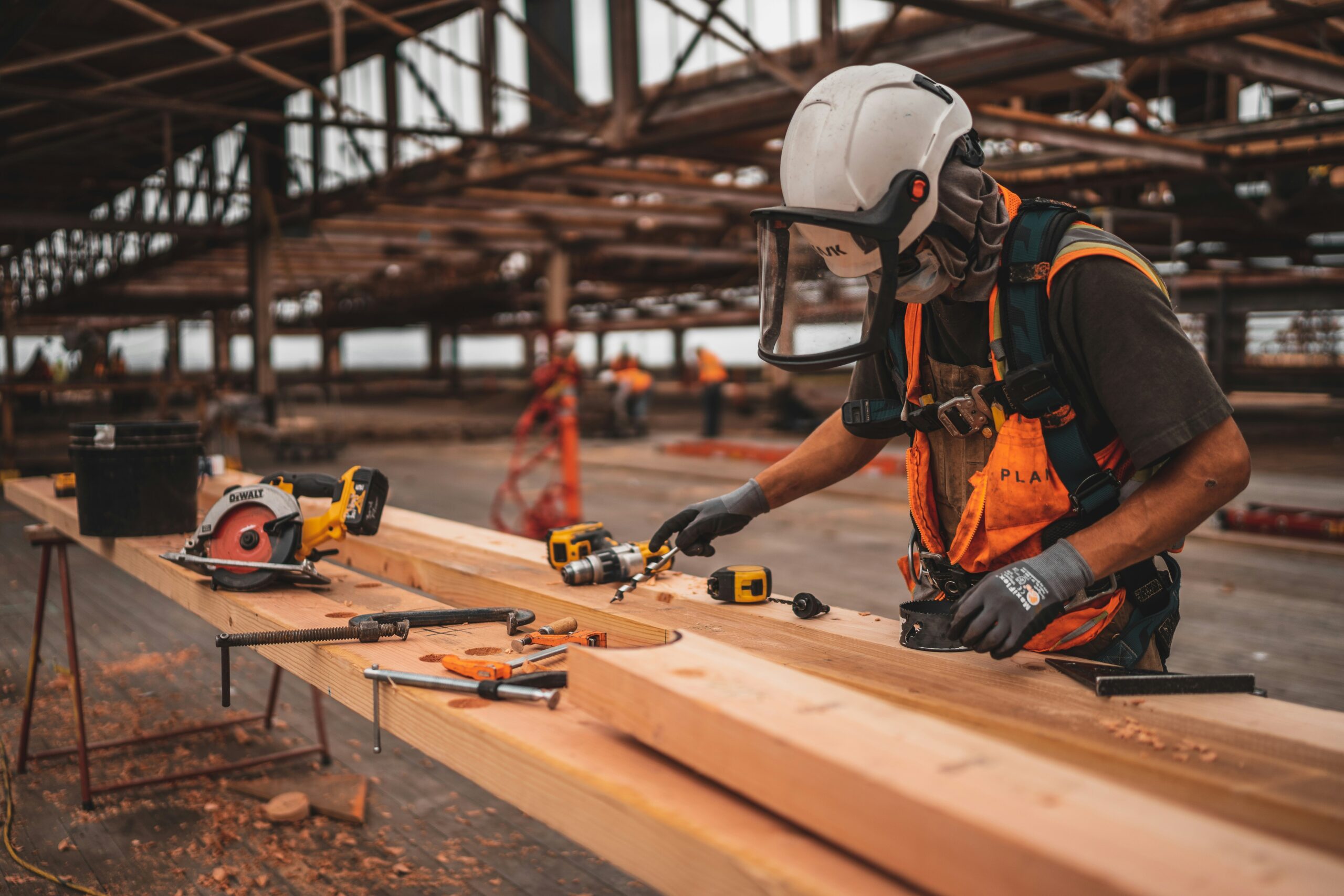
For many people, construction and entrepreneurship might seem like very different worlds. One involves hammers, blueprints, and sawdust, while the other conjures up ideas, investors, and spreadsheets. But over the years, I have realized that the skills I developed in construction have directly shaped my abilities as an entrepreneur. Planning, problem-solving, budgeting, and adaptability are just as critical on a job site as they are in running a business.
Learning to Plan With Precision
Construction teaches you the value of a well-thought-out plan. Every successful project starts with a blueprint, a timeline, and a list of materials. Without careful planning, mistakes multiply, costs spiral, and deadlines are missed.
As an entrepreneur, this skill translates directly into strategic thinking. Whether launching a new product, expanding into a new market, or managing a team, planning ensures that resources are allocated efficiently and risks are minimized. Construction taught me that a strong plan is not rigid. It is a guide that allows for flexibility while keeping the end goal in sight.
Problem-Solving on the Fly
Construction projects are never without surprises. A wall might be off by a few inches, a shipment delayed, or weather conditions disrupt the timeline. Learning to respond quickly and find solutions under pressure is essential.
In business, unexpected problems arise every day. Supply chains falter, customer needs shift, or unforeseen competitors enter the market. The ability to analyze the situation, weigh options, and implement solutions without panicking is a skill I developed on job sites and have carried into entrepreneurship. Construction taught me that problems are opportunities to innovate, rather than obstacles to avoid.
Budgeting and Resource Management
One of the most valuable lessons I learned in construction is the importance of budgeting. Every project has a finite amount of money, materials, and labor. Stretching a budget too far can compromise quality, while overspending reduces profitability. You learn to prioritize, make trade-offs, and negotiate without sacrificing the integrity of the work.
Running a business requires the same financial discipline. Budgeting effectively, understanding cash flow, and allocating resources wisely are crucial for growth and sustainability. Construction experience teaches you to respect every dollar, plan for contingencies, and make tough decisions when resources are limited. This financial acumen has been one of the most significant advantages I brought into entrepreneurship.
Adaptability and Flexibility
No construction project ever goes exactly according to plan. Changes in client requests, unexpected structural challenges, and shifting timelines require adaptability. Learning to adjust quickly and stay focused on the end goal is a skill that applies in every aspect of business.
Entrepreneurship is similarly unpredictable. Market trends change, technology evolves, and customer expectations can shift overnight. Adaptability ensures that you can pivot without losing momentum. Construction taught me that being rigid is a risk. The ability to reassess, reorganize, and move forward is what separates successful entrepreneurs from those who struggle when circumstances change.
Attention to Detail
In construction, small mistakes can lead to major problems. A misaligned beam or an incorrect measurement can compromise the entire project. Developing a meticulous eye for detail ensures quality, safety, and long-term success.
In business, attention to detail manifests in contracts, marketing, customer service, and product design. Overlooking small issues can erode trust, lead to costly errors, and damage reputation. My construction experience instilled a habit of thoroughness that has served me well in every venture I have undertaken.
Leadership and Team Management
Construction projects rely on teams. A foreman must coordinate carpenters, electricians, plumbers, and laborers, ensuring everyone works together efficiently. This experience taught me how to lead diverse teams, communicate expectations clearly, and resolve conflicts quickly.
Entrepreneurs also manage teams, whether employees, contractors, or partners. Understanding how to motivate, organize, and guide people toward a common goal is critical. Construction provided me with hands-on leadership experience that is invaluable in business. It also taught me the importance of respect and accountability, as every role contributes to the overall success of a project.
Patience and Perseverance
Construction is not fast. Projects take weeks, months, or even years to complete. Learning to stay committed, follow through, and maintain focus is a lesson in patience and perseverance.
Entrepreneurship demands the same qualities. Success rarely happens overnight. There are setbacks, challenges, and long periods of work before results are visible. Construction taught me to value steady progress, to celebrate small milestones, and to keep pushing forward even when the outcome seems distant.
Integrating Construction Skills Into Business
The lessons I learned on construction sites have shaped my approach to entrepreneurship. Planning carefully, solving problems efficiently, managing resources wisely, staying adaptable, and paying attention to detail are all crucial skills for building a successful business.
Construction taught me that every project is a combination of strategy, execution, and teamwork. Entrepreneurship is no different. The ability to balance vision with practical execution, and to lead a team through challenges, has been the cornerstone of my growth as a business owner.
Building a Strong Foundation for Entrepreneurship
Construction and entrepreneurship might appear to be worlds apart, but they share a surprising number of principles. The discipline, creativity, and practical skills gained from construction provide a strong foundation for any business endeavor.
For anyone considering entrepreneurship, I encourage you to look at every experience, including hands-on, technical work, as an opportunity to develop transferable skills. Construction taught me lessons that no classroom or textbook could, and those lessons continue to guide me every day. Understanding how to plan, problem-solve, budget, adapt, and lead has made me a stronger entrepreneur, and I am convinced that anyone who can master these skills on a job site can apply them to building a successful business.